Gum disease is one of the most common threats to adult oral health, and its effects can go far beyond sore or bleeding gums. While many cases begin quietly, early attention and consistent care make progression far less likely. Howard County Family Dentistry provides a broad range of periodontal services designed to protect the tissues that support your teeth and to preserve both function and appearance for years to come.
Healthy gums do more than keep a smile looking good — they form the foundation for chewing, speaking, and overall oral stability. When the supporting tissues around teeth become inflamed or infected, that damage can lead to loose teeth, changes in bite, and difficulty eating. Preventing and treating periodontal disease is therefore an essential part of preserving a functional, comfortable mouth.
Research has also shown links between chronic oral inflammation and broader health concerns. Conditions such as diabetes, cardiovascular disease, and certain respiratory issues can be affected by ongoing periodontal infection. This doesn’t mean gum disease causes every systemic illness, but it does underscore why maintaining periodontal health should be part of any comprehensive wellness plan.
Because the early stages of gum disease often cause little pain, it’s easy to underestimate their significance. Regular dental exams, professional cleanings, and timely treatment when problems arise help stop inflammation before it undermines both oral and overall health.
Spotting periodontal disease early improves treatment outcomes. Small changes — a little bleeding when you floss, gums that look redder than usual, or a persistent bad taste — can be the first indicators of inflammation. Paying attention to these signals and acting quickly can prevent more extensive tissue loss later on.
Other symptoms that warrant prompt attention include gum recession that exposes more of the tooth surface, loose or shifting teeth, and new gaps that alter how your teeth meet. Sensitivity to hot or cold and ongoing bad breath are additional signs that bacteria are affecting the gums and underlying tissues.
If you notice any combination of these changes, it’s a good idea to schedule an evaluation. A clinical exam and measurements of pocket depths around the teeth reveal the true extent of disease, and early detection broadens the range of conservative treatments that can successfully restore health.
Red, swollen, or tender gums
Bleeding during brushing or flossing
Visible gum recession or exposed root surfaces
Persistent bad breath or unpleasant taste
Loose teeth, new gaps, or changes in bite
Pus or discharge around the gumline
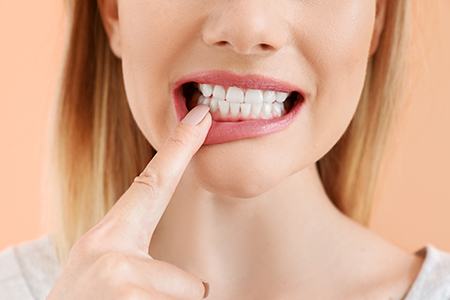
Gingivitis is the earliest, and most reversible, form of gum disease. It develops when plaque bacteria irritate the gum margin and cause redness, tenderness, and bleeding. At this stage the attachment of the gums to the teeth remains intact, and with improved home care and professional hygiene it is often possible to restore healthy tissue.
If the bacterial challenge persists and inflammation advances, the condition can progress to periodontitis. In periodontitis, the infection begins to damage the connective tissue and bone that stabilize the teeth. Clinical signs include deeper periodontal pockets, progressive bone loss visible on radiographs, and increased tooth mobility.
Treatment goals change as disease progresses: gingivitis can usually be managed with thorough cleaning and improved daily care, while periodontitis often requires targeted periodontal therapies to arrest tissue breakdown and attempt to rebuild lost support where feasible.

Contemporary periodontal care emphasizes individualized treatment plans that start with the least invasive, evidence-based options. For many patients, non-surgical therapy is highly effective: careful scaling and root planing removes plaque and hardened deposits below the gumline, and smoothing root surfaces helps the tissue reattach and heal. Antimicrobial agents — applied locally or prescribed systemically when indicated — can augment mechanical cleaning to reduce bacterial levels.
When deeper pockets, extensive bone loss, or persistent infection remain despite conservative measures, surgical approaches may be recommended to gain access, debride areas that are difficult to clean, and reshape supporting structures. Surgical techniques also create an environment that makes long-term maintenance more manageable.
Advances such as laser-assisted therapies and regenerative procedures have expanded treatment options. Laser tools can help reduce bacteria and inflamed tissue in select cases, while bone and soft tissue grafts — and guided tissue regeneration — aim to restore lost structure and improve both function and aesthetics when appropriate.
Non-surgical therapy remains the foundation of periodontal treatment. Skilled removal of subgingival plaque and calculus, combined with patient-centered instruction on home care, frequently stabilizes disease and reduces pocket depths. Treatment is tailored to the individual’s disease severity and response to therapy.
Sometimes adjunctive treatments are used after scaling and root planing to improve outcomes. These interventions are selected based on clinical findings, the presence of specific pathogens, and the patient’s overall health profile.
When anatomy or disease extent limits the success of non-surgical measures, surgery can allow thorough cleaning and repair. Flap procedures expose root surfaces and bone so that infected tissue can be removed and the anatomy reshaped. The goals are to reduce pocket depth, eliminate inaccessible bacterial reservoirs, and create surfaces that are easier to maintain.
Regenerative techniques — including grafting materials and biologic agents — may be used when bone or connective tissue has been lost. These procedures are intended to promote healing and restore supportive structures whenever clinical conditions suggest regeneration is achievable.

Effective periodontal care doesn’t end when active treatment finishes. Ongoing maintenance visits are critical to preserve health and to monitor for recurrence. These appointments typically include professional cleanings targeted to the areas most at risk, periodic reassessment of pocket depths, and reinforcement of daily hygiene strategies.
Patient habits and medical conditions also play a large role. Smoking and poorly controlled diabetes, for example, increase the risk of periodontal progression. Addressing these factors, collaborating with medical providers when needed, and committing to consistent home care improve the likelihood of long-term success.
Building a partnership with your dental team gives you the best chance to keep disease at bay. Education about effective brushing and interdental cleaning tools, combined with a personalized recall schedule, helps transform short-term gains into long-lasting stability.
Periodontal disease is common but manageable when identified early and treated with a thoughtful, evidence-based plan. From routine preventive cleanings to non-surgical management and advanced regenerative procedures, modern periodontal care offers many paths to protect and restore the tissues that support your teeth.
If you have signs of gum disease or are concerned about your periodontal health, please contact us for more information. Our team is available to explain options, evaluate your condition, and help you choose the approach that best fits your needs and goals.

Most people don’t realize that periodontal disease is the leading cause of tooth loss among adults. According to statistics from the Centers for Disease Control and Prevention, one out of every two adults over the age of 30 in the United States has periodontal disease.
You may be surprised to learn that the human mouth is home to a wide variety of microbes. The fact is that over 700 different strains of bacteria have been detected in the oral cavity. Although some of these bacteria are beneficial, others are harmful to oral health. Without proper oral hygiene and routine dental care, these harmful bacteria can cause tooth decay and gum disease, compromising both your oral health and overall wellbeing.
In addition to inadequate oral hygiene and infrequent professional care, other factors, including smoking, genetic tendencies, and unchecked diabetes, can contribute to the escalation of periodontal disease.
Your gums and teeth have an interdependent relationship, which means healthy teeth depend on the support of healthy gums. Also, taking care of your smile does more than keep your teeth and gums in optimal condition; good oral health also supports systemic health. In addition to being the leading cause of tooth loss in adults, researchers are finding more and more links between periodontal disease and a number of medical problems, including heart disease, stroke, diabetes, respiratory problems, and adverse pregnancy outcomes such as pre-term and low birth-weight babies.
If you notice that your gums are bleeding with the slightest pressure while brushing or flossing, it’s a sign of gingivitis. Although gingivitis is the earliest stage of gum disease, it can easily be reversed with deeper cleanings as well as an improved regimen of oral hygiene at home.
In the absence of professional treatment and better home care, gingivitis progresses to the next stage, which is known as periodontitis. In this stage, the connective tissue and bone that hold the teeth in place begin to break down with an increase in pocketing between the teeth and bone, gum recession, and bone loss. Without proper treatment by your dentist, periodontitis will progress from a mild to moderate loss of supporting tissue to the destruction of the bone around the teeth.
Although gingivitis can often be reversed with improved oral hygiene and professional cleanings, as periodontal disease advances, more extensive procedures are required to halt its progression. Based on a complete assessment of your periodontal health and a review of possible contributing factors, our office will recommend the best options in care. Treatment for periodontitis may include a series of deeper cleanings known as root planing and scaling, surgical procedures to reduce pocket depth, bone or tissue grafts, laser procedures, or antimicrobial medications.
The cost of care depends on the type of procedures required to restore your periodontal health. If you have dental insurance, plans often cover treatment to prevent gum disease as well as many procedures to treat the various stages of gum disease. Our goal is to help patients restore and maintain good oral health. We do all we can to help you begin care without additional stress or delay. Our business office works with you to maximize your benefits and provide easier, more convenient payment options.
By seeing our office regularly for care and doing your best to eat a healthy diet and practice good oral hygiene, you can keep your smile in tip-top shape as well as protect your overall wellbeing.
At the office of Howard County Family Dentistry, we provide a comprehensive range of services to address all your oral healthcare needs. You can rest assured that your smile is in the best of hands at our office. Our skilled and experienced team maintains a position at the forefront of advances in care and remains dedicated to providing the highest quality of skilled and compassionate treatment.
Periodontal disease is an inflammatory condition that affects the gums and the structures that support the teeth, including connective tissue and bone. It begins when bacterial plaque accumulates at the gumline and triggers an immune response that, over time, can damage those supporting tissues. Early gum inflammation is usually reversible, but progressive disease can lead to irreversible tissue and bone loss.
Stages range from gingivitis, which is limited to the soft tissue, to periodontitis, where pocket formation and bone loss occur. The transition from gingivitis to periodontitis depends on bacterial burden, host response and other risk factors. Identifying and treating disease early increases the likelihood of preserving natural teeth and oral function.
The primary cause of gum disease is bacterial plaque, a sticky biofilm that accumulates on tooth surfaces and along the gum margin. When plaque is not removed daily, it mineralizes into calculus and fosters a hostile environment for the gums, provoking persistent inflammation and tissue breakdown. Contributing factors include poor oral hygiene, tobacco use, genetic predisposition and certain medications that alter saliva or tissue response.
Disease progression is influenced by systemic conditions such as uncontrolled diabetes, hormonal changes, stress and immune system status. As pockets deepen, anaerobic bacteria thrive and the potential for bone loss and tooth mobility increases. Timely professional care and modification of risk factors help interrupt this progression and stabilize the condition.
Early signs of periodontal problems commonly include gums that bleed during brushing or flossing, persistent redness or swelling and chronic bad breath. These symptoms often appear without significant pain, so they can be overlooked until disease advances. Noticing these changes and seeking evaluation promptly improves the chances of successful conservative treatment.
Other warning signs include gum recession that exposes root surfaces, increased tooth sensitivity, new gaps between teeth and a change in how teeth fit together when you bite. Pus or discharge around the gumline and loose teeth are indicators of more advanced infection and require urgent attention. Regular dental exams help detect subtle changes before they become severe.
Diagnosis begins with a comprehensive clinical exam that includes periodontal probing to measure pocket depths and assess attachment levels around each tooth. Clinicians also evaluate gum color, texture and bleeding on probing, and take dental radiographs to detect bone loss that may not be visible clinically. A careful review of medical history and risk factors helps interpret clinical findings and guide treatment planning.
In some cases, additional tests such as microbial analysis or host-response assessments are used to tailor therapy. Patients receive a clear explanation of findings and recommended next steps so they understand the extent of disease and available options. At Howard County Family Dentistry our team performs thorough evaluations to determine the most appropriate, evidence-based approach for each patient.
Non-surgical therapy is often the first line of treatment and centers on professional scaling and root planing to remove plaque and calculus from below the gumline. This deep cleaning smooths root surfaces to discourage bacterial recolonization and allows the gum tissue to reattach. Clinicians pair mechanical therapy with targeted oral hygiene instruction so patients can control plaque at home.
Adjunctive measures may include locally delivered antimicrobials, short courses of systemic antibiotics when indicated and evaluation of factors that impede healing. Response to non-surgical therapy is monitored with follow-up visits and re-evaluation of pocket depths, and this conservative approach is effective for many patients when combined with consistent maintenance.
Surgical periodontal therapy is considered when non-surgical measures do not sufficiently reduce deep pockets or when anatomical factors limit access for cleaning. Common procedures include flap surgery to expose and debride root surfaces, osseous recontouring to reshape diseased bone and crown-lengthening when restorative needs require it. The goal of surgery is to reduce pocket depth, remove bacterial reservoirs and create an environment easier to maintain.
When tissue or bone is deficient, regenerative procedures such as bone grafts, membrane placement or soft tissue grafting may be employed to restore lost structures. Healing timelines vary by procedure but typically include a staged follow-up plan to monitor tissue response and prevent recurrence. A detailed discussion of risks, benefits and expectations helps patients make informed decisions about surgical care.
Laser-assisted therapies can be a useful adjunct for reducing bacterial load and removing inflamed tissue in selected cases, often with less bleeding and discomfort than traditional methods. Certain laser protocols target diseased pocket tissue while preserving healthy structures, and they are combined with mechanical cleaning for best results. Patient selection and operator experience are important factors in determining whether laser treatment is appropriate.
Regenerative techniques aim to rebuild bone and soft tissue lost to periodontitis using graft materials, biologic agents and guided tissue regeneration membranes. While regeneration is not guaranteed in every case, these options can improve support for teeth and enhance long-term outcomes when clinical conditions are favorable. Your dental team will explain which regenerative choices are realistic and the evidence supporting their use.
Systemic conditions and periodontal disease have bidirectional relationships; for example, poorly controlled diabetes increases susceptibility to infection and impairs healing, while severe periodontal inflammation can make glycemic control more difficult. Research has also linked chronic periodontal infection to cardiovascular disease and certain respiratory conditions, although the nature of these associations is complex. Understanding overall health is therefore essential when planning periodontal care.
Medications, hormonal changes and immune disorders can also influence gum health and treatment response, so clinicians routinely review medical history and communicate with other health care providers as needed. Addressing modifiable risk factors such as smoking cessation and improved medical management enhances the effectiveness of periodontal therapy. Collaborative care and ongoing monitoring support better outcomes for both oral and systemic health.
Long-term success depends on a structured maintenance program that typically includes professional cleanings targeted to subgingival areas, periodic pocket measurements and frequent reassessment. Many patients benefit from recall intervals of three months, although scheduling is individualized based on disease severity and response to treatment. These visits reinforce home care techniques and allow early intervention if disease signs reappear.
Daily plaque control with effective brushing and interdental cleaning remains the most important factor for preserving results between visits. Lifestyle factors such as tobacco use and uncontrolled medical conditions can undermine maintenance, so ongoing risk management is part of the long-term plan. Working in partnership with your dental team creates the best chance for lasting periodontal stability.
Before an evaluation, gather information about your medical history, current medications and any symptoms you have noticed, such as bleeding, swelling or loose teeth. Avoid changing your oral hygiene routine immediately before the appointment so clinicians can assess your typical condition, and bring a list of questions or previous dental records if available. Expect a thorough exam that may include probing, charting and radiographs to determine the extent of disease.
If you are seeking care in the Glenwood area, Howard County Family Dentistry provides comprehensive periodontal evaluations and coordinates treatment plans that match each patient’s needs. The office can recommend conservative or advanced therapies and refer to specialists when appropriate, while emphasizing maintenance and risk reduction. Discussing your goals and health concerns during the evaluation helps the team design a personalized, evidence-based plan.
Quick Links
Contact Us