2465 Route 97, Suite 12, Glenwood, MD 21738
A young girl is waving with both hands at an adult woman who is smiling and clapping her hands together.

Pediatric Dentistry

At the office of Howard County Family Dentistry, we believe childhood is the best time to build confident, lasting oral health. Our pediatric approach balances prevention, education, and gentle treatment so kids grow up with healthy teeth, comfortable habits, and positive feelings about dental care.

A young girl brushing her teeth with an oversized toothbrush.

Building Healthy Habits Early: What to Expect at Your Child’s First Visits

The earliest dental appointments are as much about relationship-building as they are about clinical checks. We introduce children to the dental setting with calm explanations, playful demonstrations, and brief, non-threatening examinations. This gentle, step-by-step approach helps reduce fear and sets the stage for lifetime cooperation.

During those first visits we check growth patterns, screen for early signs of decay, and observe how your child uses their mouth for chewing and speech. Parents receive practical guidance on toothbrushing technique, fluoride use, and how to manage pacifiers and thumb-sucking in age-appropriate ways. Our goal is to give families tools they can use every day, not just during appointments.

We also use those early encounters to form a partnership with parents. Open communication lets us tailor care to each child's temperament and health needs, and ensures that preventive strategies — like sealants, targeted fluoride, or habit counseling — are introduced at the right time.

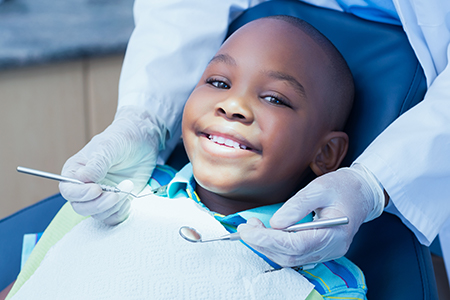
The image shows a young boy sitting in a dental chair, smiling at the camera, while receiving dental treatment with a dentist attending to him.

Consistent Checkups: Why Regular Exams and Cleanings Matter

Routine exams and professional cleanings are the backbone of pediatric dental care. Regular visits enable early detection of cavities, jaw or bite issues, and conditions that could affect speech or nutrition. By catching problems early, treatment tends to be simpler and more effective, helping children avoid discomfort and missed school days.

At each appointment, we take a complete history, perform a focused clinical exam, and recommend any necessary radiographs. Digital X-rays, when used, are fast and expose children to minimal radiation while giving us a clear view of the developing teeth beneath the surface.

Cleanings remove plaque and tartar in hard-to-reach places and give hygienists a chance to reinforce good daily habits. Parents leave with specific tips and practical routines designed for their child’s age and abilities.

Understanding Cavities and Practical Prevention Strategies

Tooth decay is the most common chronic condition in childhood, but it is largely preventable. Decay develops when sugars and acids repeatedly contact vulnerable tooth surfaces. Prevention focuses on consistent cleaning, limiting sugary snacks and drinks, and applying evidence-based protections such as topical fluoride and sealants.

Fluoride strengthens enamel and can be delivered safely in-office or through toothpaste at home, following age-based guidance. Sealants provide a physical barrier across the pits and grooves of back teeth, where food and bacteria tend to accumulate. Together, these tools create a layered defense against decay.

We coach families on realistic, sustainable steps—small changes in routine and diet that produce measurable benefits over months and years. Prevention is about building habits that fit your household while protecting growing smiles.

Everyday Actions That Make a Big Difference

  • Establish regular dental visits early and keep them consistent

  • Start age-appropriate brushing and introduce flossing as teeth touch

  • Avoid bottles with milk or juice at bedtime; choose water instead

  • Encourage nutritious snacks and minimize sticky, sugary treats

  • Be a role model—children mimic how adults care for their own teeth

  • Work with your child to phase out pacifiers and thumb habits at the right time

  • Use a properly fitted mouthguard for contact or high-impact sports

A smiling woman holding a baby with joyous expression, both indoors near a window.

Caring for Infants and Toddlers: Gentle Steps for First Teeth

Infant oral care starts before the first tooth appears. Wiping the gums after feedings prevents bacterial buildup, and once teeth emerge a soft infant brush or washcloth keeps surfaces clean. The American Academy of Pediatric Dentistry recommends that children see a dentist around their first birthday, or sooner if you have concerns.

When primary teeth arrive they are important placeholders for permanent teeth and necessary for clear speech and efficient eating. Even early cavities can affect sleep, growth, and self-esteem, so prompt attention and practical prevention at this stage set a child up for long-term success.

Teething can be uncomfortable; simple measures such as chilled teething rings or gentle gum massage soothe most infants. We’re always available to advise parents on safe, effective ways to ease symptoms or to investigate any unusual signs.

Managing Active Kids: Sports Safety and Emergency Preparedness

Active children are more likely to experience dental injuries than adults, which makes prevention a priority. Custom or properly fitted mouthguards reduce the risk of chipped, broken, or knocked-out teeth. We help parents choose the best protection for the sport, the child’s age, and the level of activity involved.

Accidents happen—when they do, quick action can save a tooth or prevent serious infection. Knowing how to respond to common injuries (for example, gently rinsing and storing a knocked-out tooth in milk and calling the dentist immediately) is part of our educational work with families.

We prepare parents with clear, age-appropriate guidance on when to seek urgent care and what measures to take in the minutes after an injury. Being informed reduces panic and improves outcomes.

Supporting Growth: Monitoring Development and When to Consider Orthodontics

Teeth and jaws develop through predictable stages. During routine visits we observe facial growth, bite relationships, and tooth alignment to identify concerns early. Early detection allows less invasive interventions, and in some cases timely guidance of jaw growth can reduce the complexity of later orthodontic treatment.

The American Association of Orthodontists recommends a screening by age seven to spot developing problems. Not every child needs early orthodontic treatment, but monitoring can reveal opportunities to prevent crowding, correct habits that affect jaw growth, and plan for future alignment.

When orthodontic care is indicated, we discuss options and timing in plain language so families can make informed decisions. Our emphasis is on functional health as much as cosmetic outcomes—proper alignment supports chewing, speech, and long-term oral health.

Nutrition and Oral Health: Fueling Growth and Protecting Teeth

Nutrition plays a central role in dental health. Diets rich in whole foods, calcium, and vitamin D support strong enamel and healthy gums, while frequent exposure to sugary or acidic items increases decay risk. Practical strategies—like choosing water over sugary drinks and offering fruit instead of candy—make prevention manageable.

We provide families with pragmatic, age-appropriate recommendations that respect busy schedules and picky appetites. Small shifts in food and drink choices can lead to meaningful improvements over time.

At Howard County Family Dentistry, our pediatric program is designed to be practical, evidence-based, and child-friendly. If you’d like more details about our approach or want to discuss your child’s individual needs, please contact us for more information.

Frequently Asked Questions

What is a pedodontist?

+

A pedodontist is a dentist who has received advanced specialty training in meeting the dental needs of children from infancy to adolescence. Pedodontists, also referred to as "pediatric dentists," study child psychology, behavior management, caring for children with special needs, methods of handling oral/facial trauma, and various techniques for providing anesthesia and sedation. Pedodontists also understand the complexities of facial growth and development and have the clinical skills required to meet the dental needs of all children at every stage of development. Most of all, pedodontists are passionate about what they do and enjoy working with children. They strive to make every dental experience a positive one as they help children establish a strong foundation for good oral health.

When should my child see the pedodontist?

+

Even before your child is born, their first set of teeth is already forming. In fact, by one year of age, some of your baby's front teeth will have already come into place. While the arrival of your baby's first teeth is only one of many developmental milestones, it represents an excellent time to begin a program of oral care. According to recommendations from the American Dental Association, babies should see the dentist around the time of their first birthdays.

When will my baby's first tooth appear?

+

Your baby's first teeth typically begin to appear in the 6 to 12-month range. While this is an extraordinary milestone, you need to be aware that your baby may find the experience a little bit uncomfortable. Teething can make babies feel irritable. They may be fussy, have trouble sleeping, not want to eat, and drool quite a bit.

Although you are powerless to speed up the process of teething, there are a few things that you can do to soothe your baby as the new teeth are erupting into place. Common approaches to helping your baby feel more comfortable while getting new teeth, include teething rings or a cold spoon or moist gauze rubbed over their gums.

Even for these few new teeth, it's absolutely essential to establish an effective regimen of oral care. For information on when your baby's first set of teeth will erupt into place, consult this timeline from the American Dental Association: Eruption Charts

My child is starting kindergarten and is still sucking their thumb. Will this habit affect their new teeth?

+

Some children persist in sucking their thumbs or fingers beyond their preschool years. For these children, the activity continues to be a source of comfort, relaxation, and security. It may even help them fall asleep at night. However, it's essential to be aware that in the long-term, a finger sucking habit is not healthy.

If your child's thumb or finger sucking habit is still present when the permanent teeth begin to come in, your child is at a higher risk of developing a bad bite. By the age of five or six years, you need to constructively and gently help your child stop the habit.

It's also a good idea to have a comprehensive evaluation at this time. Your pedodontist can assess if there are any habit related alterations to the alignment of your child's teeth or jaws, or if it is affecting their speech or swallowing patterns. They can also discuss habit control strategies with you, as well as follow your child's bite and facial development as they grow. If interceptive appliances or corrective orthodontic care are recommended, the timetable and best options in care will be explained in complete detail.

What is pediatric dentistry?

+

Pediatric dentistry is the dental specialty focused on the oral health of infants, children and adolescents, including those with special health care needs. It combines prevention, early diagnosis and treatment with behavior guidance techniques tailored to a child's developmental stage. The goal is to support healthy dental development, comfortable visits and positive attitudes about oral care.

Pediatric dentists and teams use child-sized instruments, age-appropriate language and clinical approaches that reduce fear while delivering effective care. They also work closely with parents to establish routines and anticipate growth-related changes that affect teeth and jaws. This family-centered approach helps prevent problems and simplifies treatment when issues do arise.

When should my child have their first dental visit?

+

The American Academy of Pediatric Dentistry recommends a child see the dentist by their first birthday or within six months of the first tooth erupting. Early visits are brief and primarily focused on screening, parent education and familiarizing the child with the dental environment. Starting this relationship early makes future appointments easier and supports timely identification of concerns.

During the first visit the clinician will review feeding habits, cleaning techniques and risk factors for decay, and they will answer parent questions about pacifiers, thumb-sucking and fluoride use. Establishing these healthy practices early can reduce the need for more invasive care later. If parents notice anything unusual before the first birthday, they should contact the office for guidance.

How often should my child visit the dentist?

+

For most children, routine checkups and professional cleanings every six months are recommended to remove plaque, monitor growth and detect early signs of decay. These regular visits give the clinical team a chance to track development, reinforce home-care routines and apply preventive treatments when appropriate. Frequency can be adjusted based on individual risk factors such as a history of cavities, medical conditions or orthodontic concerns.

Children at higher risk for decay may benefit from more frequent visits and targeted preventive measures, while very low-risk kids might be seen on a longer schedule as advised by the clinician. The practice will recommend recall intervals based on each child’s history and needs. Consistent attendance at scheduled visits is one of the most effective ways to maintain lifelong oral health.

What preventive treatments help protect my child's teeth?

+

Preventive pediatric dentistry relies on a layered approach that includes consistent home care, professional cleanings, topical fluoride and dental sealants. Topical fluoride strengthens enamel and is applied in-office or used at home according to age-appropriate guidelines, while sealants create a protective barrier over the grooves of permanent molars where decay often starts. These clinical measures are complemented by education on brushing, flossing and smart snack choices.

Behavioral strategies and habit counseling—such as weaning from bottles, limiting nighttime sugary drinks and addressing thumb-sucking—also play a major role in prevention. For children who play sports, properly fitted mouthguards reduce the risk of traumatic dental injuries. Together, these steps form a practical, evidence-based plan to lower decay risk and protect developing smiles.

How do you manage dental anxiety in young children?

+

Managing dental anxiety in children begins with creating a calm, welcoming environment and using developmentally appropriate communication to explain each step of care. Techniques such as tell-show-do, positive reinforcement and distraction help children understand procedures and reduce fear. Appointments are paced to match the child’s comfort level, and staff focus on building trust through consistent, gentle interactions.

Parents play a key role by modeling positive behavior, preparing children with simple, honest explanations and maintaining routines that reduce uncertainty. For children with significant anxiety or special needs, the practice can discuss additional supportive options and coordinate care to ensure safety and cooperation. The emphasis is always on minimizing stress while delivering high-quality dental treatment.

What should I do for infant oral care and teething?

+

Infant oral care starts before the first tooth appears with gentle gum wiping after feedings to remove residue and reduce bacterial buildup. Once teeth erupt, use a soft infant toothbrush or washcloth and a smear of fluoride toothpaste as recommended for the child’s age; be sure to clean all surfaces and establish a consistent routine. Early care protects primary teeth, which serve as placeholders for permanent teeth and support proper speech and nutrition.

Teething can cause discomfort, and safe measures such as chilled teething rings, gentle gum massage and short periods of comfort from a caregiver generally provide relief. Parents should avoid numbing gels or medications without professional guidance and seek dental advice if symptoms are severe, fever occurs or teeth appear to be erupting abnormally. Timely consultation ensures appropriate care and peace of mind.

How can nutrition affect my child's dental health?

+

Nutrition has a direct impact on a child’s risk for tooth decay and overall oral development, since frequent exposure to sugary or acidic foods and beverages increases the likelihood of enamel demineralization. Encouraging balanced meals rich in whole foods, dairy or other calcium sources and vitamin D supports healthy enamel and jaw growth. Limiting sticky snacks and substituting water for sugary drinks can substantially reduce decay risk over time.

Practical strategies include offering snacks at set times rather than grazing, pairing fruit with protein or dairy to lower acidity, and avoiding bottles of milk or juice at bedtime. The dental team can provide age-appropriate guidance that respects family routines and picky eating while promoting choices that protect teeth. Small, sustainable changes in diet often yield measurable oral-health benefits.

When should I be concerned about my child's bite or alignment?

+

Parents should be attentive to signs such as persistent thumb-sucking beyond preschool years, difficulty chewing, uneven jaw growth, early or late loss of baby teeth, or noticeable crowding and crossbites. The American Association of Orthodontists recommends an orthodontic screening by age seven to identify developing problems that may benefit from early guidance. Early evaluation allows the dental team to monitor growth and recommend interventions when they can be most effective.

Not every child needs early orthodontic treatment, but timely detection can simplify or reduce the extent of later care in some cases. When concerns are identified, the practice will explain options, timing and expected outcomes in clear terms and coordinate referrals to specialists when appropriate. The focus is always on functional health as well as alignment, supporting chewing, speech and long-term stability.

How do you handle dental emergencies and injuries?

+

Dental emergencies in children—such as chipped, fractured or knocked-out teeth—require prompt, informed action to improve the chance of a successful outcome. For a knocked-out permanent tooth, gently rinse and, if possible, reinsert it or store it in milk or a tooth-preservation solution while seeking immediate dental care. For other injuries, controlling bleeding, applying a cold compress and contacting the dental office or emergency services quickly helps reduce complications.

The practice provides clear guidance on when to seek urgent care and offers instructions parents can follow in the minutes after an injury to protect the child’s oral health. Having a plan in advance reduces panic and improves outcomes, so families are encouraged to save emergency contact information and review basic response steps. Quick assessment by a clinician determines the best next steps for repair and recovery.

Are sports mouthguards necessary for children?

+

Sports mouthguards are strongly recommended for children who participate in contact or high-impact activities because they significantly reduce the risk of chipped, broken or knocked-out teeth. Custom-fitted mouthguards made by a dental professional offer the best combination of comfort, fit and protection, and they can be tailored to a child's growth and orthodontic needs. Properly fitted guards also help distribute force and protect soft tissues.

Parents should ensure a mouthguard is worn consistently for practices and games, inspect it for wear and replace it as a child grows or the device deforms. The dental team can advise on the right type of guard for the sport and provide fitting and care instructions to maximize safety. Prioritizing protective equipment is a simple, effective way to prevent serious dental injuries.

Healthy Smiles Support Overall Wellness

Dental issues affecting your smile can also have consequences on the health of the rest of the body. It’s why our office emphasizes the importance of prevention, routine checkups, and providing patients with the resources and care required to maintain good oral health that supports wellness.

Crafting Smiles with Comfort, Compassion, and Skill.

We welcome you to explore our practice and see how we deliver high-quality, full-service dentistry to families and patients of all ages. Our warm and welcoming team is always here to address your concerns, walk you through our treatments, and find a convenient time for your next visit. Your oral health shouldn't have to wait—reach out to us today and take the first step toward the gentle, exceptional care you deserve!

Address

2465 Route 97, Suite 12
Glenwood, MD 21738

Office Hours

Monday
9:30 am - 6:00 pm
Tuesday
9:30 am - 6:00 pm
Wednesday
9:30 am - 6:00 pm
Friday
9:30 am - 4:00 pm