Orthodontics is about more than just a straighter smile — it is a coordinated approach to improve how your teeth meet, how your jaws function, and how your mouth supports long-term oral health. When teeth are crowded, spaced, or misaligned, they can create chewing inefficiencies, speech challenges, and areas that are harder to keep clean. Modern orthodontic care focuses on predictable tooth movement while protecting periodontal health and preserving natural dental structures.
Treatment can address simple cosmetic concerns as well as complex problems involving the relationship between the upper and lower jaws. In some patients, moving teeth alone is sufficient; in others, coordinated care with bite correction or supportive appliances is needed to achieve both functional stability and pleasing aesthetics. A comprehensive exam identifies which path will produce durable results with minimal risk.
Orthodontic mechanics rely on controlled, gentle forces to guide teeth into healthier positions. Today’s appliance options are designed to be more comfortable and less obtrusive than earlier systems, while delivering precise results. Whether correcting a single tooth or rebalancing an entire bite, the goal remains the same: a smile that works well, looks natural, and can be maintained easily over time.
At Howard County Family Dentistry, our team evaluates each smile with an eye toward long-term function as well as appearance. We tailor treatment recommendations to the individual, combining clinical experience with contemporary techniques so patients can achieve outcomes that support both comfort and confidence.
Straight teeth do more than improve appearance — they simplify daily care and help reduce the long-term risks that come with crowded or poorly aligned teeth. When teeth fit together properly, brushing and flossing are more effective, lowering the chance of decay and gum problems. Better alignment also distributes chewing forces evenly, reducing uneven wear on specific teeth.
A balanced bite protects teeth from accidental trauma and minimizes strain on the muscles and joints that support jaw movement. When teeth protrude or oppose incorrectly, they become more vulnerable to chips and fractures. Conversely, well-positioned teeth are naturally shielded by the lips and surrounding soft tissues, improving resilience during everyday activity.
Good occlusion — the way your teeth meet — also supports clear speech and efficient chewing. Problems with bite relationships can contribute to jaw pain, headaches, and discomfort while opening or closing the mouth. Addressing these issues with orthodontic treatment can relieve symptoms and enhance overall oral function.
Easier hygiene and lower risk of cavities and gum disease because straight teeth have fewer hard-to-reach surfaces.
Improved protection from injury — well-aligned teeth are less likely to sustain traumatic damage or abnormal wear.
Smoother oral function, including more efficient chewing and clearer speech when teeth and jaws cooperate correctly.
Reduced uneven wear: properly distributed bite forces preserve enamel and prevent premature breakdown of tooth structure.
Better jaw comfort and joint health, as a stable bite helps reduce strain on the temporomandibular joints and surrounding muscles.
Overall wellness gains, since oral health and general health are closely connected and easier maintenance supports lasting benefits.
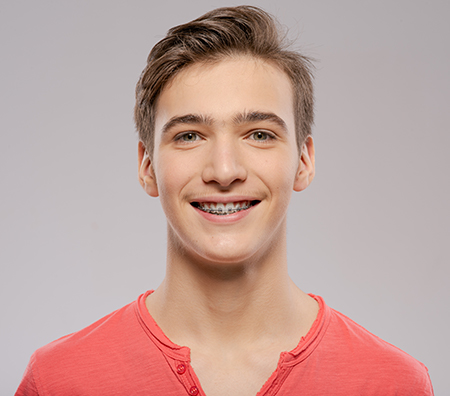
Choosing the right orthodontic approach starts with a careful evaluation of the teeth, jaw relationships, airway considerations, and the patient’s lifestyle and goals. No single appliance suits every case; success depends on matching the method to the problem. For some people, traditional fixed braces deliver efficient control for complex movement. For others, removable aligners or discreet ceramic systems are a better fit.
Timing matters as well. For children, monitoring development allows clinicians to intervene when growth can be leveraged to guide jaw relationships or prevent more invasive treatment later. For adults, the focus is on correcting alignment while addressing any existing dental restorations, gum health, or wear that may affect treatment planning.
We aim to make recommendations that are realistic and sustainable. That means considering how long appliances must be worn, whether additional supportive devices (such as expanders or temporary anchorage) are needed, and how well a patient can maintain oral hygiene during treatment.
The complexity and type of bite problem — simple spacing differs from skeletal jaw discrepancies.
How crowded or spaced the teeth are and which teeth need to be moved.
Whether removal of teeth is part of the plan to create proper alignment and balance.
The relationship between the upper and lower jaws and the role growth may play in correcting that relationship.
Estimated treatment duration and the need for any supplementary appliances to support specific tooth movements.
Patient cooperation with hygiene, scheduled appointments, and proper wear of removable devices.

Recent years have brought meaningful advances that make treatment faster, more comfortable, and more predictable. High-resolution 3-D imaging and digital scanning allow clinicians to visualize problems in three dimensions, improving diagnosis and enabling more precise movement planning. Digital workflows reduce the need for messy impressions and allow better communication between the clinical team and the laboratory.
Appliance design has also evolved: brackets are sleeker, materials are more biocompatible and aesthetic options are widely available. Self-ligating systems and temporary anchorage devices expand the ways clinicians control tooth movement, while targeted acceleration techniques can shorten specific phases of care in appropriate cases.
Streamlined metal brackets and low-profile hardware that improve comfort and reduce visibility.
Tooth-colored ceramic brackets and lingual options that minimize the appearance of braces.
Clear removable aligner systems that allow patients to maintain oral hygiene and lifestyle habits more easily.
3-D CBCT imaging and digital planning tools for predictable outcomes and tailored appliance fabrication.
Intraoral scanners and digital impressions that speed up treatment planning and increase patient comfort.
New anchorage methods and adjunctive techniques that handle challenging movements with fewer side effects.
Clear aligner therapy combines discretion with convenience. Custom trays are designed to apply gentle, staged forces and are replaced at prescribed intervals to guide the teeth forward. Their removable nature allows patients to eat normally and maintain thorough oral hygiene, and the visual discreetness encourages adults and image-conscious teens to pursue treatment they might otherwise avoid.
While aligners are highly effective for many alignment issues, they still require careful case selection and patient commitment. Accurate digital records and adherence to wear schedules are essential to reach the planned outcome. When appropriate, aligners can be combined with auxiliary techniques to address more complex movements.

Completing active tooth movement is a milestone, but long-term success depends on retention and routine care. After appliances are removed, retainers help the supporting tissues and the fibers around the teeth settle into their new positions. Retention protocols vary by case; some patients need full-time wear for a period followed by night-only usage, while others benefit from longer-term or permanent retention solutions.
Relapse — a return toward previous positions — is a natural tendency because the oral environment continually adapts to functional forces and tissue memory. Consistent retainer use and periodic checkups help protect the investment of time and effort that orthodontic treatment requires. Maintaining good oral hygiene and addressing any tooth wear, gum concerns, or changes in oral posture will also support lasting alignment.
We emphasize practical strategies that integrate retention into daily life, including easy-to-follow cleaning routines for removable retainers and signage for when professional checks are recommended. With sensible aftercare, patients can enjoy their straightened smiles for decades.
Orthodontic care is an investment in both appearance and oral health. If you’re curious about how modern techniques can address your specific concerns, contact us for more information and a personal consultation. Our team at Howard County Family Dentistry is ready to explain options and help you choose an approach that fits your goals and lifestyle.
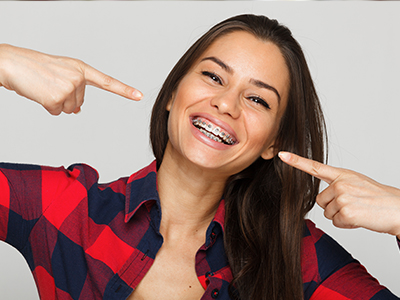
Most parents wonder when is the best time to have their child evaluated for braces. One common misconception regarding orthodontic treatment is to wait until all of your child's permanent teeth (except the wisdom teeth) are present. However, an orthodontist can identify most problems involving the alignment of the teeth and jaw growth by the time a child is in the first or second grade. For this reason, the American Association of Orthodontists recommends that all children have a check up with an orthodontic specialist no later than age 7.
It is important to keep in mind that aligning the teeth and the jaws does not happen overnight. Whether you are wearing conventional braces, clear aligners, or any other type of appliance, orthodontic movement is a gradual process. Orthodontic tooth movement is based on the use of light and continuous forces to correct your bite in an incremental, predictable, and healthy manner.
The total duration of orthodontic care, not including wearing retainers to maintain the result, depends on several factors. Such things as growth, as well as compliance with care, may influence treatment time. On average comprehensive orthodontic care to correct a malocclusion can take anywhere between 18-36 months. Orthodontic treatment for more limited problems with tooth alignment typically ranges from 6 to 18 months.
Because orthodontic movement takes time, most appointments after the initial placement of appliances are scheduled approximately four to eight weeks apart. This interval gives your teeth time to move at both a steady and healthy pace. However, there may be situations where more frequent visits to evaluate the status of your case, tooth movement, or to have an additional adjustment are required.
Teeth can be moved at any age. Orthodontic treatment as an adult can completely transform an imperfect and poorly aligned smile into one that is attractive and functions at its best. However, initiating orthodontic care and achieving a successful outcome relies on the presence of healthy teeth and supporting bone. For these reasons, it is essential for adult patients to address any outstanding dental problems before their appliances are placed and to remain diligent about maintaining their oral health throughout care.
Orthodontics is the dental specialty focused on diagnosing, preventing and correcting malocclusion, which is how the teeth and jaws fit together. The primary goals are to improve tooth alignment, restore efficient chewing and support long-term oral health by making teeth easier to clean. Modern orthodontic care balances functional goals with aesthetic outcomes to create smiles that work well and look natural.
Treatment can address a wide range of concerns including crowding, excessive spacing, crossbites, overbites and underbites, as well as issues that affect speech and chewing. Some cases require tooth movement alone while others need coordinated care to modify jaw relationships or use supportive appliances. A comprehensive clinical evaluation identifies the specific problems and guides a customized plan designed for durable, sustainable results.
People of almost any age can benefit from orthodontic treatment, including children, teens and adults, provided their gums and supporting bone are healthy. For children, early evaluation helps determine whether growth can be guided to reduce future complexity, while adult treatment often includes planning around existing restorations or periodontal health. The key factors are oral health status, the type and severity of the bite problem, and patient readiness to follow instructions and maintain hygiene.
A candidacy assessment typically includes a clinical exam, radiographs or digital scans and a review of medical and dental history to ensure safe, effective care. Certain skeletal problems may require collaboration with other specialists, and some complex cases are best managed in stages. Ultimately, a personalized consultation determines the safest, most predictable path to a stable outcome.
Clear aligners use a sequence of removable, custom-made trays to apply gentle forces that move teeth in planned stages, while traditional braces rely on brackets and wires fixed to the teeth for continuous control. Aligners are nearly invisible and allow patients to remove them for eating and cleaning, which can simplify hygiene and social comfort. Braces remain a highly effective choice for complex movements where precise tooth rotation or vertical control is required.
Case selection is critical: aligners perform exceptionally well for many alignment and spacing issues but may need auxiliaries or attachments for intricate corrections. Both systems benefit from digital treatment planning and close monitoring to ensure movements occur as intended. The final recommendation depends on the orthodontic goals, dental condition and the patient’s ability to follow prescribed wear and care instructions.
During a consultation the clinician will review your medical and dental history, perform a thorough oral exam and capture diagnostic records such as digital photographs, X-rays or 3-D scans to evaluate tooth and jaw relationships. These records allow precise analysis of alignment, bite and airway considerations and form the basis for a treatment proposal. The clinician will discuss realistic goals, potential appliance options and any supportive therapies that may be needed to achieve a stable result.
At Howard County Family Dentistry the team explains the reasoning behind each recommendation and answers questions about treatment sequence, expected appointments and retention strategies. You will receive an individualized plan outlining the approach most likely to meet your functional and aesthetic objectives. This discussion helps patients make an informed decision and prepares them for the commitments required to reach the desired outcome.
Treatment duration varies widely depending on the severity of the problem, the chosen appliance and how well the patient follows instructions; many straightforward alignment cases take about 6 to 18 months, while more complex corrections can require longer. Orthodontic care often proceeds in phases, beginning with active tooth movement followed by a retention period to stabilize results. Factors such as the need for extractions, surgical intervention or the presence of restorative work can extend the timeline.
Consistent appliance wear, excellent oral hygiene and adherence to scheduled appointments all contribute to efficient progress and predictable outcomes. The clinical team provides an estimated timeframe at the start and updates it as treatment advances. Periodic reviews allow adjustments to the plan if necessary to maintain momentum toward the final goal.
Advances in digital imaging, intraoral scanning and 3-D planning have made diagnosis and treatment simulation far more precise than in the past, enabling clinicians to visualize complex tooth and jaw relationships and predict movements before treatment begins. Digital workflows reduce the need for traditional impressions and facilitate close collaboration with laboratories to fabricate custom appliances or aligner series. These tools increase efficiency, enhance patient comfort and support more predictable results.
Material and appliance innovations have also lowered the profile and discomfort of fixed systems while expanding aesthetic options such as ceramic brackets and lingual placements. Temporary anchorage devices, self-ligating brackets and adjunctive acceleration techniques give clinicians additional control over difficult movements with fewer unwanted side effects. Together, these technologies allow truly individualized treatment that focuses on both function and appearance.
Bite problems caused primarily by tooth position are often managed with orthodontic tooth movement using braces or aligners, sometimes in combination with auxiliaries such as elastics or temporary anchorage. Skeletal discrepancies that stem from jaw size or position may be addressed with growth-modification appliances in growing patients to guide development and reduce the need for surgery later. In mature patients with significant skeletal differences, a coordinated team approach that includes orthodontics and orthognathic surgery can deliver optimal functional and aesthetic results.
Treatment planning evaluates airway, temporomandibular joint function and facial balance to determine the least invasive, most effective strategy for each individual. Throughout care clinicians monitor comfort, occlusal stability and periodontal health, adjusting mechanics as needed to protect supporting tissues. The goal is a stable bite that minimizes strain on muscles and joints while improving chewing efficiency and facial harmony.
Maintaining excellent oral hygiene is essential during orthodontic treatment because appliances can create additional areas where food and plaque accumulate. For patients with braces, thorough brushing after meals, use of interdental brushes and careful flossing around brackets help prevent decalcification and gum inflammation. For aligner patients, removing trays to eat and brushing teeth before reinserting aligners reduces the risk of staining and bacterial buildup on the plastic.
Regular professional cleanings and periodic checkups are important to monitor gum health and address problems early, and clinicians often recommend supplemental tools such as water flossers or fluoride rinses when appropriate. Clear instructions and a realistic daily routine make it easier to protect enamel and soft tissues throughout treatment. Keeping appliances clean and following care guidelines supports faster progress and better long-term outcomes.
Retainers are appliances used after active orthodontic treatment to hold teeth in their new positions while supporting tissues and fibers adapt. Retention protocols vary by case; some patients wear removable retainers full time for a short period followed by night-only use, while others are recommended fixed (bonded) retainers in certain areas to provide permanent support. The exact schedule depends on the original malocclusion, the type of tooth movement performed and individual tendencies toward relapse.
Long-term retention is often necessary because teeth naturally shift throughout life in response to functional forces and tissue memory. Regular follow-up visits allow clinicians to evaluate retainer fit and make adjustments or replacements as needed. Adhering to the prescribed retainer routine is the most reliable way to protect the investment of time and effort that orthodontic treatment requires.
Routine follow-up appointments are typically scheduled at regular intervals to monitor tooth movement, adjust appliances and confirm that oral health is being maintained; keeping these visits ensures that progress stays on track and small issues are corrected quickly. Patients should contact the office promptly if they experience persistent pain, loose or broken brackets or wires, sudden changes in bite, or any signs of infection or severe irritation. Minor discomfort after adjustments is normal, but ongoing or worsening symptoms warrant professional attention.
If you have questions or concerns during treatment, reach out to the team for guidance to prevent interruptions that could affect the outcome. For a personalized evaluation and to discuss orthodontic options, contact Howard County Family Dentistry to arrange a consultation with the clinical team. Early communication and timely visits are essential to achieving a comfortable, stable result.
Quick Links
Contact Us