2465 Route 97, Suite 12, Glenwood, MD 21738
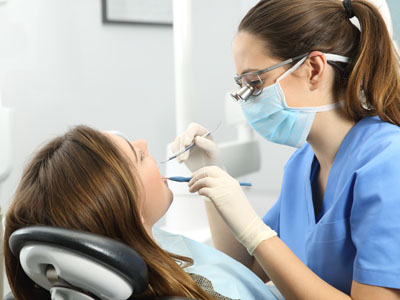
The image shows a young woman with blonde hair smiling at someone off-camera while sitting in a dental chair, with a dentist standing behind her wearing a white coat and holding a mirror.

Dental Cleanings

Even the most careful daily routine—brushing twice a day and flossing—can miss the microscopic buildup that gathers where teeth meet gums and in the tight spaces between teeth. Professional dental cleanings are designed to reach those hidden areas, remove hardened deposits, and give your mouth a level of care that home hygiene alone cannot provide. Regular cleanings are a cornerstone of preventive dentistry and an efficient way to maintain a confident, comfortable smile throughout life.

Why professional cleanings protect more than just your teeth

Plaque is a living film of bacteria. Left unchecked, it hardens into tartar and creates an environment where decay and gum inflammation thrive. Dental cleanings interrupt this process by removing deposits above and slightly below the gumline, reducing bacterial load and giving your gums the chance to stay healthy. That prevention is often the difference between simple care and needing more extensive treatment down the road.

Beyond the visible results, routine cleanings support the health of the tissues that anchor your teeth. Healthy gums and bone help preserve natural teeth for longer and make restorative treatments, if needed, simpler and more predictable. For many patients, staying current with scheduled cleanings is an efficient way to sustain oral function and avoid the complications associated with progressive gum disease.

Cleanings also create a baseline record of your oral health. During each visit, the hygienist notes any changes—areas of increased plaque buildup, bleeding gums, or unusual wear patterns—which helps the dental team monitor trends and intervene early. That kind of proactive care supports both short-term comfort and long-term outcomes.

What actually happens during a modern dental cleaning

A typical professional cleaning combines careful inspection, mechanical removal of deposits, and a finishing polish. The appointment often begins with a visual exam and a brief review of your dental history so the hygienist can tailor the procedure to your needs. An intraoral camera or digital x-rays may be used when deeper investigation is warranted, but the cleaning itself focuses on removing plaque and tartar buildup to restore a clean surface to enamel and root areas.

To remove deposits, clinicians use a combination of ultrasonic scalers and hand instruments. Ultrasonic devices break up large accumulations with gentle vibrations and water irrigation, which is efficient and comfortable for many patients. Hand scaling provides precise control in tight or sensitive spots. The two methods together allow the hygienist to remove material without damaging tooth surfaces or soft tissues when performed correctly.

After scaling, the teeth are polished to remove surface stains and smooth the enamel, which helps slow new plaque from adhering quickly. If appropriate, the visit can include targeted preventive measures—such as topical fluoride application or sealant placement for at-risk teeth—based on the patient’s individual profile. Throughout the appointment the team prioritizes comfort, offers options for sensitivity management, and explains each step so patients understand what to expect.

Customized care for different ages and oral health needs

Dental cleanings are not one-size-fits-all. Children, adolescents, adults, and older adults each have distinct needs that influence how cleanings are performed. For example, pediatric cleanings focus on habit education, eruption patterns, and preventing early cavities, while cleanings for teenagers often address orthodontic appliances that make hygiene more challenging. Tailoring the approach helps ensure every patient receives the most appropriate preventive care.

Adults may require more frequent visits when risk factors are present—such as a history of gum disease, tobacco use, diabetes, or medications that affect saliva flow. The hygienist will recommend interval adjustments and targeted techniques to manage those risks. For patients with history of periodontal issues, cleanings may include deeper maintenance work to keep pockets stable and prevent recurrence.

Seniors often face unique challenges like exposed root surfaces, dry mouth, and restorations that require special attention during cleanings. The team can modify instruments and strategies to address sensitivity, protect existing dental work, and maintain comfort. Whatever a patient’s life stage, the goal is the same: preserve oral health through consistent, individualized preventive care.

How cleanings contribute to overall health and early detection

Oral health and general health are closely linked. Inflammation and infection in the mouth can affect other systems in the body, and many chronic health conditions influence oral tissues. Regular dental cleanings help control local inflammation, lower bacterial burden, and give clinicians a reliable opportunity to screen for signs that may warrant medical attention or specialist referral.

During routine care, clinicians look for indicators beyond tartar and cavities—such as persistent redness, unusual lesions, or changes in texture or color of oral tissues. Identifying these signs early improves the chances of straightforward treatment and can prompt timely collaboration with other healthcare providers when necessary. Preventive visits therefore serve a dual role: maintaining dental function and acting as a periodic health checkpoint.

Because many oral conditions develop gradually and without severe early pain, staying on a regular cleaning schedule increases the likelihood of catching problems at a stage when they are easier to manage. That vigilance supports not only a healthier mouth but a more resilient approach to overall well-being.

How to prepare for your cleaning and how to care for your smile afterward

There’s typically no special preparation required for a routine cleaning. Arriving with questions, informing the team about any changes in health or medications, and sharing concerns about sensitivity or anxiety helps the staff personalize the visit. If you have specific needs—such as recent dental work, orthodontic appliances, or a history of periodontal therapy—letting us know ahead of time ensures the appointment proceeds smoothly and efficiently.

After a cleaning you might notice temporary sensitivity, especially around areas that had heavy buildup removed. This is normal and usually subsides within a day or two. The hygienist can review at-home strategies to manage sensitivity, such as using a desensitizing toothpaste, avoiding very hot or cold foods immediately after the appointment, and following gentle brushing techniques until sensitivity eases.

Long-term maintenance depends on consistent home care and timely follow-up visits. Brushing twice daily with a fluoride toothpaste, flossing or using interdental cleaners, and keeping a balanced diet are simple steps that dramatically extend the benefits of a professional cleaning. When combined with regular checkups, these habits help patients keep their smiles healthy, functional, and attractive for years to come.

Dental cleanings are a practical, effective foundation for preserving oral health at every age. If you’d like to learn more about how routine cleanings fit into a comprehensive care plan or want guidance tailored to your individual needs, please contact Howard County Family Dentistry for additional information and assistance.

Frequently Asked Questions

What is a professional dental cleaning and why is it important?

+

A professional dental cleaning is a preventive procedure performed by a licensed hygienist or dentist that removes plaque, tartar and surface stains from teeth. It reaches areas that daily brushing and flossing often miss, such as just below the gumline and between tight contacts. Regular cleanings reduce bacterial buildup and lower the risk of cavities and gum inflammation.

Beyond removing deposits, cleanings create a documented baseline of oral health that helps clinicians detect changes over time. During each appointment the team records areas of concern like increased plaque, bleeding or unusual wear patterns to guide follow-up care. Maintaining a routine cleaning schedule supports long-term tooth retention and overall oral function.

What steps are involved in a modern dental cleaning?

+

Modern cleanings typically begin with a brief oral exam and a review of your dental history so the hygienist can tailor care to your needs. Ultrasonic scalers and hand instruments are used together to safely dislodge and remove tartar, with ultrasonic devices breaking up larger deposits and hand scaling providing precision in tight or sensitive areas. The appointment usually finishes with a polish to smooth enamel and remove surface stains.

If indicated, clinicians may supplement cleaning with intraoral imaging or digital x-rays to investigate underlying concerns and document condition. Preventive measures like topical fluoride or sealants can be recommended for at-risk teeth based on the patient profile. Throughout the visit the team explains each step and offers sensitivity management options to maximize comfort.

How do dental cleanings help prevent gum disease and tooth decay?

+

Dental cleanings interrupt the progression from plaque to hardened tartar, which creates an environment where decay and gum inflammation can thrive. By removing deposits above and slightly below the gumline, cleanings reduce the bacterial load that causes gingivitis and, if left untreated, periodontitis. Early removal of irritants helps keep gum tissues healthy and prevents pocket formation that can lead to bone loss.

Regular professional care also allows the dental team to identify early signs of disease—such as bleeding, recession or pocketing—so targeted interventions can be started promptly. When combined with consistent home hygiene, routine cleanings make it far less likely that simple problems will become complex restorative cases. This preventive approach preserves natural teeth and simplifies future treatments if they become necessary.

How should I prepare for my dental cleaning appointment?

+

Preparation for a routine cleaning is minimal: arrive with any recent updates to your medical history, a list of current medications and questions or concerns you want the team to address. If you have had recent dental work, ongoing orthodontic treatment or a history of periodontal therapy, let the office know so the appointment can be scheduled with appropriate time and instruments. Discussing sensitivity, bleeding or anxiety ahead of the visit helps the team personalize your care.

If you use a mouth rinse, timing it so it does not immediately precede the appointment can improve visibility for the clinician, but this is not required. For patients with specific health conditions, providing your physician’s contact information when requested helps ensure safe treatment coordination. Clear communication before arrival ensures a smoother, more efficient visit.

What can I expect immediately after a dental cleaning and how should I care for my teeth?

+

After a cleaning you may notice temporary sensitivity or mild gum tenderness, particularly in areas where heavy buildup was removed; this typically settles within a day or two. The hygienist will review at-home strategies to reduce discomfort, such as using desensitizing toothpaste, avoiding very hot or cold foods for a short period and practicing gentle brushing until sensitivity eases. Keeping up with routine oral hygiene is essential to preserve the benefits of the cleaning.

Long-term maintenance includes brushing twice daily with a fluoride toothpaste and flossing or using interdental cleaners once daily to control plaque between visits. Eating a balanced diet low in frequent sugary snacks and staying hydrated to support saliva flow both help protect enamel and gum tissue. Regular checkups combined with these habits maximize the preventive value of professional cleanings.

How are cleanings adjusted for children, teens and older adults?

+

Cleanings are tailored to life stage and individual needs: pediatric cleanings emphasize habit formation, eruption patterns and cavity prevention, while adolescent appointments often address challenges from orthodontic appliances. Hygienists use age-appropriate education and techniques to teach effective brushing and flossing and to monitor developmental changes. Reinforcing good habits early supports a lifetime of stronger oral health.

For older adults, clinicians often modify instruments and strategies to address issues such as exposed root surfaces, dry mouth from medications, and existing restorations. The team may focus on gentle techniques to manage sensitivity and protect prosthetic work while ensuring thorough removal of deposits. Personalized scheduling and follow-up recommendations reflect each patient’s medical history and risk factors.

If I have diabetes, smoke or take certain medications, how does that affect my cleaning schedule?

+

Medical conditions and lifestyle factors can increase oral disease risk and often require more frequent monitoring and preventive care. Patients with diabetes, tobacco use, or medications that reduce saliva flow may accumulate plaque more rapidly or have a reduced ability to heal, so clinicians commonly recommend shorter intervals between professional visits. The hygienist will assess your risk and propose an individualized recall schedule to help maintain gum and tooth health.

Targeted techniques and adjunctive therapies—such as antimicrobial mouthrinses, fluoride treatments or specialized home-care instructions—may be suggested to address specific challenges. Open communication about your health and habits enables the dental team to coordinate care and adjust recommendations to keep oral inflammation under control. Consistent follow-up is a key component of preventing progression of periodontal disease in higher-risk patients.

What is periodontal maintenance and how does it differ from a routine cleaning?

+

Periodontal maintenance is a more intensive form of cleaning designed for patients who have been treated for gum disease and need ongoing care to keep pockets stable. While a routine prophylaxis focuses on preventing decay and gingivitis in generally healthy mouths, periodontal maintenance targets deeper pocket areas and removes subgingival deposits that can reaccumulate after periodontal therapy. Visits are often scheduled at shorter intervals and include specific measurements and documentation of pocket depths.

The techniques and instruments used during maintenance may be more specialized, and the hygienist will closely monitor tissue response, bleeding and attachment levels. This focused approach helps prevent recurrence of disease and preserves the results of previous periodontal treatment. Patients on a maintenance program benefit from vigilant surveillance and early interventions when signs of inflammation reappear.

Can regular dental cleanings impact my overall health beyond my mouth?

+

Yes. Oral inflammation and infection can influence systemic health, and maintaining low bacterial levels in the mouth reduces one potential source of chronic inflammation. Regular cleanings help control local infection, support healthier gum tissues and create opportunities for clinicians to spot signs that may warrant medical follow-up, such as unusual lesions or persistent redness. Early detection of oral problems can lead to timelier medical referrals when appropriate.

Researchers have linked periodontal inflammation with conditions such as cardiovascular disease, diabetes management challenges and adverse pregnancy outcomes, making oral health an important part of overall wellness. While cleanings are not a cure for systemic disease, they are a preventive measure that contributes to a healthier body by reducing oral bacterial burden and inflammatory load. Routine dental care is therefore an integral piece of comprehensive health maintenance.

How does the office ensure patient comfort and safety during dental cleanings?

+

The office of Howard County Family Dentistry emphasizes patient comfort by offering a calming environment, clear explanations of each step and options to manage sensitivity or anxiety during cleaning appointments. Clinicians use modern instruments and minimally invasive techniques to remove deposits efficiently while protecting tooth surfaces and soft tissues. Infection control protocols, sterilization procedures and up-to-date safety measures are standard practice to protect patients and staff.

Before treatment begins, the team reviews medical history and any current medications to identify considerations that affect care, and they adjust techniques as needed for individual comfort and safety. Patients are encouraged to share concerns about sensitivity, bleeding or past experiences so clinicians can tailor the visit. This patient-centered approach helps ensure cleanings are both effective and as comfortable as possible.

Healthy Smiles Support Overall Wellness

Dental issues affecting your smile can also have consequences on the health of the rest of the body. It’s why our office emphasizes the importance of prevention, routine checkups, and providing patients with the resources and care required to maintain good oral health that supports wellness.

Crafting Smiles with Comfort, Compassion, and Skill.

We welcome you to explore our practice and see how we deliver high-quality, full-service dentistry to families and patients of all ages. Our warm and welcoming team is always here to address your concerns, walk you through our treatments, and find a convenient time for your next visit. Your oral health shouldn't have to wait—reach out to us today and take the first step toward the gentle, exceptional care you deserve!

Address

2465 Route 97, Suite 12
Glenwood, MD 21738

Office Hours

Monday
9:30 am - 6:00 pm
Tuesday
9:30 am - 6:00 pm
Wednesday
9:30 am - 6:00 pm
Friday
9:30 am - 4:00 pm